

Teaching children the value of generosity and the importance of giving back is one of the most meaningful lessons a family can impart. Family philanthropy offers a hands-on way to instill these values, helping kids understand their role in supporting their community and beyond. By involving children in charitable activities, families can foster compassion, empathy, and a sense of responsibility. Here are five practical ways to engage your children in giving back and introduce them to the world of family philanthropy.
1. Start with Conversations About Giving
The first step in teaching kids about philanthropy is having open and age-appropriate conversations about giving. Explain why your family values helping others and share stories about causes or charities that matter to you. Discuss how giving back can support individuals, organizations, or communities in need.
Encourage your children to ask questions and express their thoughts. These discussions can help them understand the broader impact of generosity and develop their own perspectives on giving.
2. Encourage Hands-On Volunteering
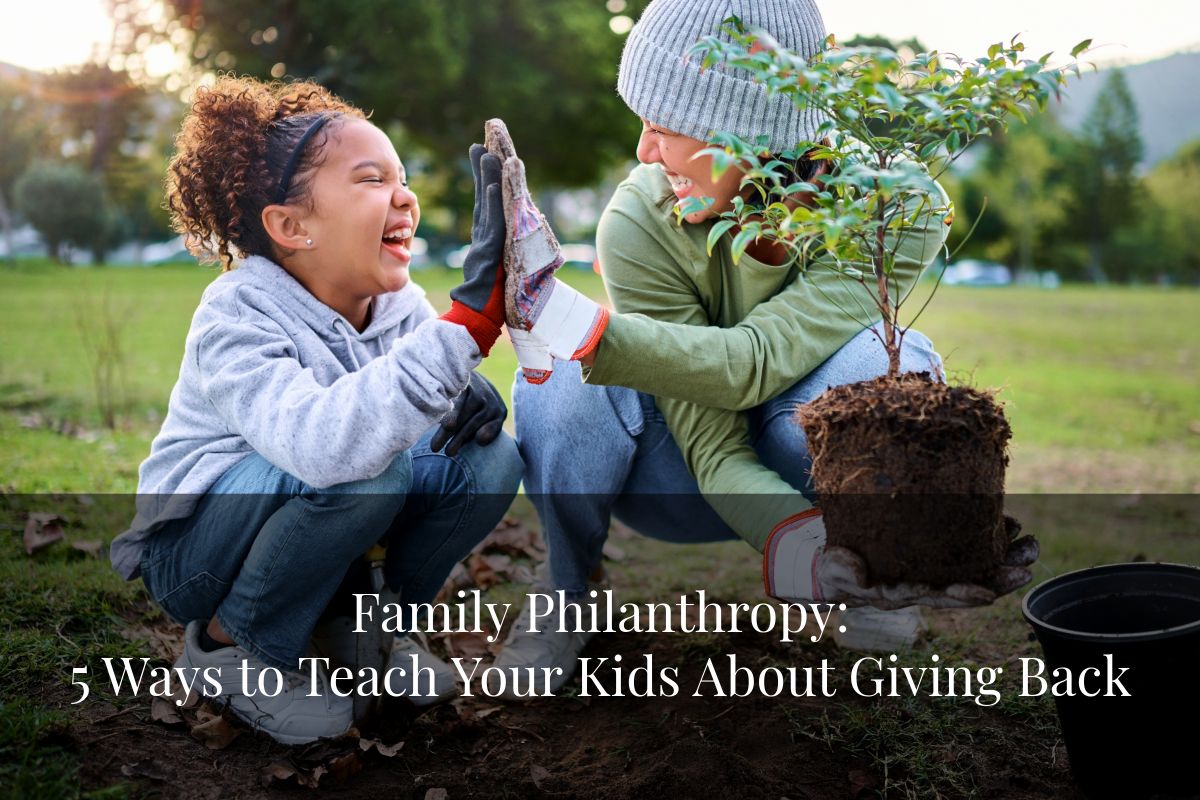
Volunteering as a family is a powerful way to introduce children to the concept of giving back. Participating in hands-on activities—such as serving meals at a shelter, planting trees, or organizing a community clean-up—provides kids with a tangible connection to the impact of their efforts.
Choose activities that are age-appropriate and align with your family’s values. By actively contributing their time and energy, children can better appreciate the importance of helping others and feel more connected to the causes they support.
SEE ALSO: Family Financial Planning: Money Discussion with Your Aging Parents
3. Involve Kids in Charitable Giving Decisions
Including children in the process of deciding where to give can help them feel more engaged in family philanthropy. Set aside a portion of your family’s charitable budget and allow your kids to help decide how those funds are allocated. Present them with a few organizations or causes to research and let them share their thoughts on which ones to support.
This practice not only teaches kids about financial decision-making but also encourages them to think critically about the needs of others and the impact of charitable efforts.
4. Create a Family Giving Tradition
Establishing a family giving tradition can make philanthropy a meaningful and consistent part of your lives. This could involve setting aside time each year to volunteer, donating during the holidays, or celebrating special occasions by supporting a cause instead of exchanging gifts.
A recurring tradition helps reinforce the importance of giving and creates lasting memories tied to acts of kindness. It also demonstrates to children that philanthropy is not just a one-time effort but an ongoing commitment to helping others.
SEE ALSO: 5 Ways to Begin Building Generational Wealth for Your Family
5. Use a Giving Jar or Family Foundation
For younger children, a giving jar is a simple and effective way to introduce the concept of saving and donating money. Encourage your kids to contribute a portion of their allowance or earnings to the jar, and when it fills up, decide together how to donate the funds.
For families with the means and interest, setting up a family foundation or donor-advised fund can formalize philanthropic efforts. Involving children in the decision-making process for these funds can deepen their understanding of structured giving and inspire them to continue the tradition into adulthood.
Teaching by Example
One of the most impactful ways to teach children about giving back is by leading through example. When kids see their parents and family members actively engaging in philanthropy, they are more likely to adopt these values themselves. Whether it’s volunteering, donating, or advocating for a cause, your actions will leave a lasting impression on how they view generosity.
Building a Legacy of Family Philanthropy
Family philanthropy provides an opportunity to teach children about compassion, responsibility, and the power of helping others. By incorporating conversations, hands-on activities, and traditions into your family life, you can create meaningful experiences that encourage children to embrace the value of giving back. Start small, stay consistent, and watch as these lessons shape your family’s approach to generosity for years to come.
Do you have questions about charitable giving or philanthropic strategies that may serve your family’s needs? Contact TriCapital Wealth Management today! We are committed to helping our clients manage wealth for their lifetimes and beyond. We look forward to hearing from you!